
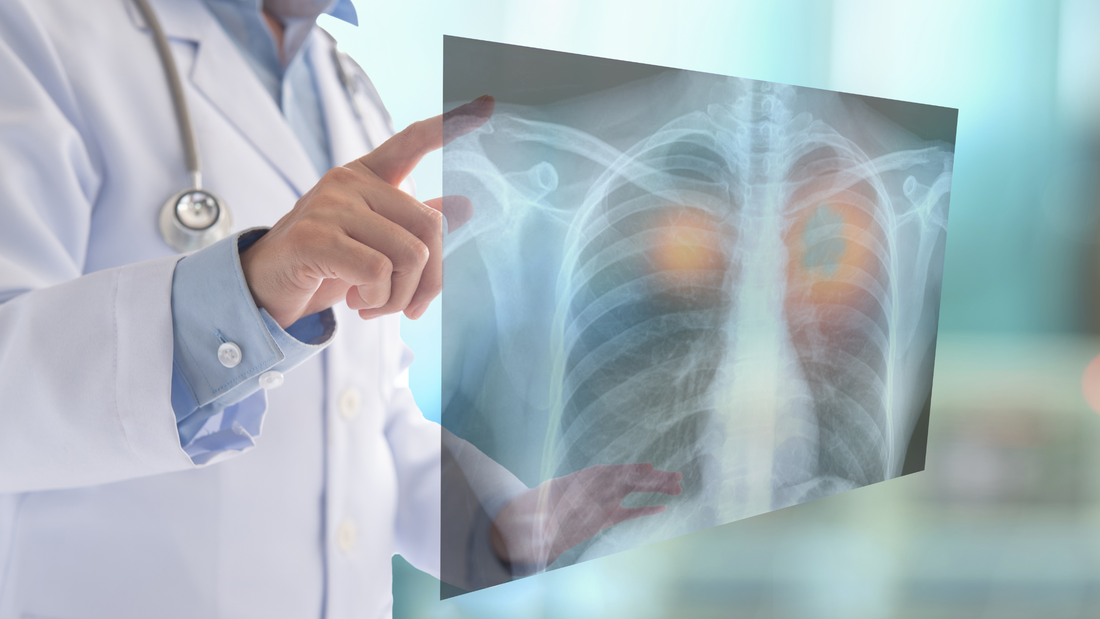
 Radon, a colorless and odorless radioactive gas, poses a serious health risk when accumulating in enclosed spaces. Among the various health hazards associated with radon exposure, one of the most concerning is its potential to cause lung cancer. So, does radon cause lung cancer? In this article, we will delve into the relationship between radon and lung cancer, exploring how radon causes cancer, the types of cancer it can induce, and the number of individuals affected by this harmful gas. Additionally, we will share a compelling story of a lung cancer patient in Columbus, Ohio, whose experience has fueled radon detection and prevention advocacy. How Does Radon Cause Cancer?Radon gas, classified as a human carcinogen by reputable organizations such as the United States Environmental Protection Agency (EPA) and the World Health Organization (WHO), can lead to cancer through inhalation. As radon undergoes decay, it releases minuscule radioactive particles called radon progeny. When inhaled, these particles can become lodged in the lungs and emit radiation. The emitted radiation can damage the DNA within lung cells, triggering mutations that can eventually progress into cancerous growths. What Kind of Cancer Does Radon Cause?The primary cancer associated with radon exposure is lung cancer. The EPA states that radon is the second leading cause of lung cancer after smoking. Approximately 21,000 lung cancer radon deaths in the United States annually are attributed to radon exposure. It is crucial to note that even individuals who have never smoked can develop lung cancer due to radon exposure. The risk of developing lung cancer due to radon exposure is influenced by factors such as the level of radon, the duration of exposure, and an individual's smoking history. How Many People Develop Lung Cancer Because of Exposure to Radon?Radon's impact on lung cancer is substantial, with approximately one in 15 homes in the United States having radon levels exceeding the EPA's recommended action level of 4 picocuries per liter (pCi/L). Recognizing the gravity of the situation, the Surgeon General has warned about radon lung cancer risk as a significant public health concern and advises that all homes undergo radon testing. Despite these recommendations, many individuals remain unaware of the dangers of radon and the necessity of testing their living environments. Lung Cancer Patient in Columbus, Ohio Advocates for Detection of RadonAnnie Cacciato, a non-smoker in Columbus, Ohio, had never anticipated being diagnosed with lung cancer. Following a fall that left her with bumps and bruises, she underwent a series of medical tests, only to receive a shocking stage four non-small cell lung cancer diagnosis. Determined to comprehend the possible causes of her illness, Annie conducted extensive research. She uncovered alarming information about radon levels in her former high school and workplace, which had significantly elevated radon levels, posing a risk for lung cancer. Motivated by her personal experience, Annie and her husband, John, embarked on a mission to raise awareness about radon exposure and its link to lung cancer. They became strong advocates for radon testing and implementing prevention measures in schools, workplaces, and residential settings. Their efforts gained traction, resulting in the Ohio House passing a bill in Annie's name that designates January as Radon Awareness Month within the state. Annie's story is a powerful reminder that radon can impact individuals from all walks of life, irrespective of their smoking history. Read more about Lung cancer patient advocates for the detection of radon. ConclusionRadon, a silent and invisible threat, has been unequivocally linked to the development of lung cancer. The radioactive particles released by radon can harm the DNA of lung cells, eventually leading to the formation of cancerous cells. Recognizing that radon-induced lung cancer can affect smokers and non-smokers alike is crucial, underscoring the significance of radon testing and mitigation measures for all individuals. Annie Cacciato's journey is a testament to the urgent need for radon awareness, detection, and prevention efforts to safeguard public health. FAQsWhat is radon?Radon is an odorless, tasteless, and colorless radioactive gas that occurs naturally in minerals, soil, and water due to the decay of uranium. How does radon enter homes?Radon can enter residences through foundation cracks, wall or floor openings, and water sources such as wells. It can accumulate in confined spaces, increasing the exposure risk. Can radon cause lung cancer?Radon is a known carcinogen associated with an increased risk of lung cancer. Long-term radon exposure can damage lung tissue and promote the growth of malignant cells. Are smokers more at risk of radon-induced lung cancer?Yes, smokers are at a higher risk of developing lung cancer from radon exposure. When combined with smoking, the risk of lung cancer increases significantly. However, even non-smokers can develop lung cancer due to radon exposure. How prevalent is radon-induced lung cancer?Radon exposure accounts for approximately 15% of all lung cancer cases worldwide. In the United States, it is the second leading cause of lung cancer, resulting in thousands of deaths yearly. How can I test my home for radon?Radon testing kits are available for home use. These kits can be placed in various home areas, such as basements or living spaces, to measure radon levels. Alternatively, you can hire a professional radon testing service to assess your home. What is considered a safe level of radon?There is no known amount of radon that is safe. But the Environmental Protection Agency (EPA) in the United States suggests taking steps to lower radon levels if they are higher than four pCi/L. How can I mitigate radon in my home?Radon mitigation techniques include:
Is there a way to prevent radon-induced lung cancer?While eliminating radon is impossible, you can take steps to reduce your exposure. Testing your home for radon and implementing mitigation measures, if necessary, can help lower the risk of radon-induced lung cancer. Are there any regulations or guidelines regarding radon?Many countries, including the United States, have established guidelines and regulations regarding radon. These guidelines frequently advocate for radon testing and mitigation techniques to protect people from the health concerns connected with radon exposure.
0 Comments
|
|
SERVING COLUMBUS OHIO & SURROUNDING AREAS
|
BUSINESS NAP
Radon Columbus Mitigation Expert 35 E 8th Ave #303 Columbus, OH 43201 BUSINESS HOURS Mon-Fri: 7am-7pm Sat & Sun: 9am-5pm OUR SERVICES Radon Mitigation Radon Testing Radon System Installation ABOUT US CONTACT |
CLICK TO CALL!
614-412-0949 SOCIAL MEDIA
|