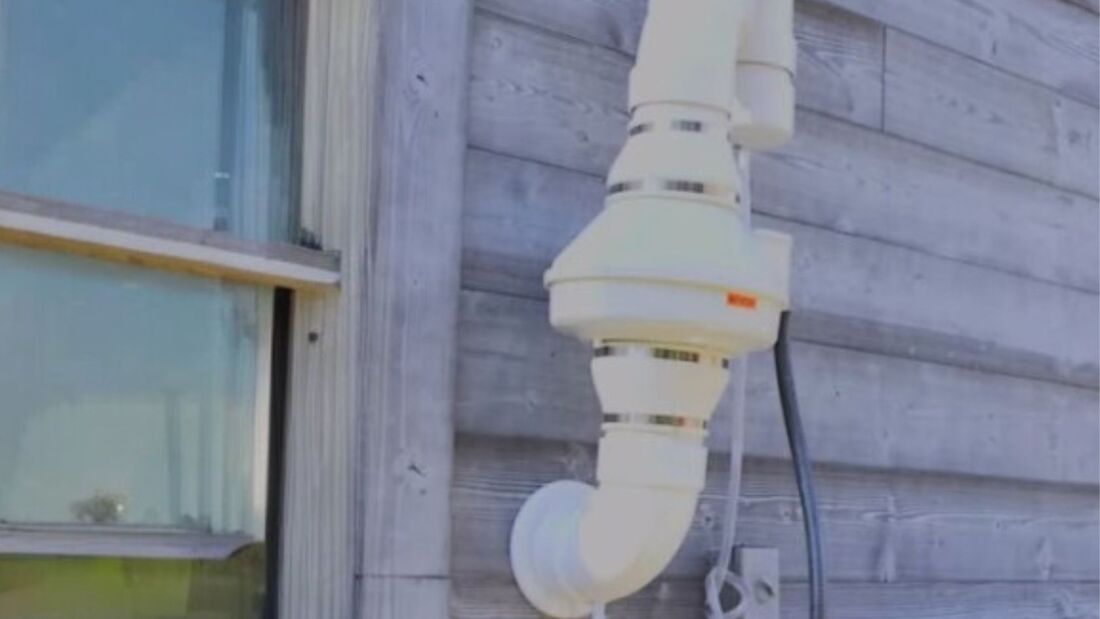
 Radon is a silent, invisible threat that could be lurking in your home right now. In this comprehensive guide, we'll delve into what radon is, why it's dangerous, and, most importantly, how to reduce its associated risks. Radon may not be a household name, but it's a matter of life and death, and understanding how to deal with it can protect you and your loved ones. Read on to learn more. What Is Radon? Radon is a colorless, odorless, and tasteless radioactive gas that occurs naturally in the environment. It is a byproduct of the decay of uranium in soil and rocks. When radon is released from the ground, it can seep into homes and buildings, posing serious health risks to occupants. Why Is Radon Dangerous? Radon is a known carcinogen, meaning it can cause cancer. When radon gas is inhaled, it can damage the cells lining the lungs, leading to lung cancer. It is the second leading cause of lung cancer, responsible for thousands of deaths each year. Unlike other environmental toxins, Radon cannot be seen or smelled, making it a particularly insidious threat. The Importance of Radon Reduction Reducing radon levels in your home is crucial for your family's health and safety. The longer you are exposed to elevated radon levels, the higher your risk of developing lung cancer. Fortunately, there are effective methods to reduce radon concentrations, making your home safer. Understanding Radon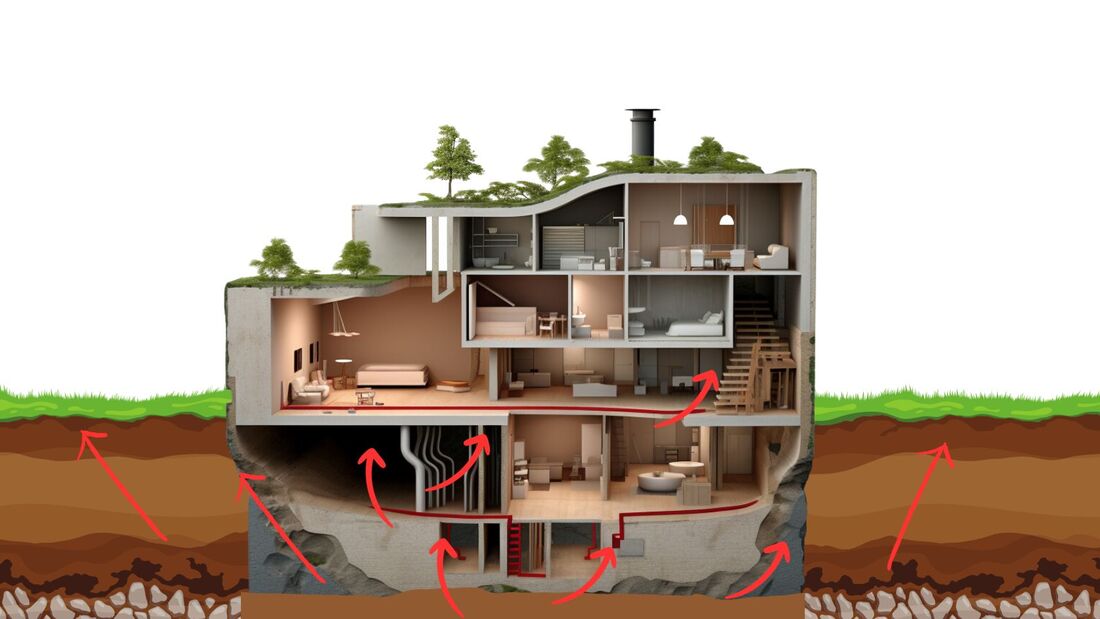 To effectively combat radon, it's essential to understand its sources, how it enters homes, and how it's measured. Radon in Soil Radon is primarily generated in the soil beneath homes. It forms when uranium naturally decays, releasing radioactive particles. These particles mix with the air, creating radon gas that can migrate upward through the soil and into your home. Radon in Water In some areas, radon can also be present in groundwater. When you use water that contains radon for activities like showering or cooking, the gas can be released into the air, contributing to indoor radon levels. How Radon Enters Homes Radon enters homes through cracks and openings in the foundation and walls. It can seep through gaps around pipes, sump pumps, and drains. Understanding these entry points is crucial for effective mitigation. Radon Levels and Measurement Measuring radon levels is the first step in determining if your home is at risk. Radon levels are typically measured in picocuries per liter (pCi/L). The U.S. Environmental Protection Agency (EPA) recommends action if radon levels exceed 4 pCi/L. Various methods, including long-term and short-term tests, are available to assess radon levels in your home. Health Risks Associated with Radon Lung Cancer Lung cancer is the most significant health risk associated with radon exposure. Prolonged exposure to elevated radon levels can increase the risk of lung cancer, especially among smokers. Radon-induced lung cancer is preventable through radon reduction measures. Other Health Concerns Apart from lung cancer, research is ongoing into other potential health risks associated with radon exposure. These include respiratory issues, especially in children, and the possibility of other cancers. While the evidence is not as clear-cut as with lung cancer, it underscores the importance of minimizing radon exposure. Who Is at Risk? Everyone is at some risk of radon exposure, but certain factors can increase your risk:
Understanding your risk factors can help you take appropriate action. How To Test Your Home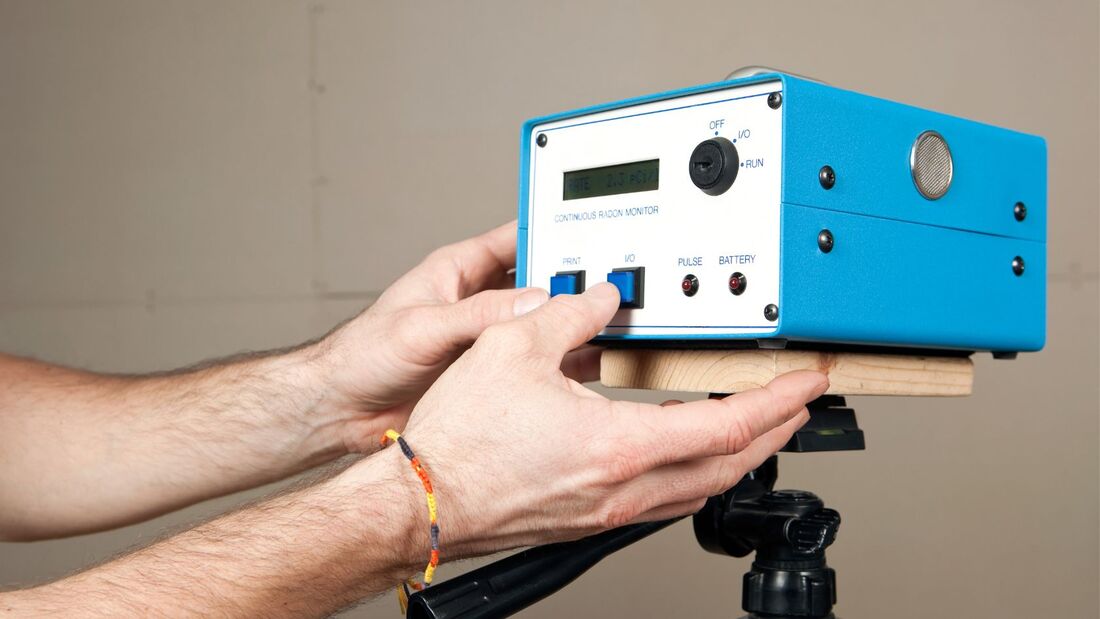 Testing your home for radon is the first step toward ensuring a safe living environment for you and your family. Radon Testing Short-Term Vs. Long-Term Testing Radon testing can be conducted using short-term or long-term methods. Short-term tests typically last two to seven days and provide a quick snapshot of radon levels. Long-term tests, however, measure radon levels for over 90 days, providing a more accurate picture of year-round exposure. DIY Testing Kits Do-it-yourself radon testing kits are readily available and cost-effective. These kits come with instructions on how to set up and use them. They are a convenient way to check your home's radon levels, but following the instructions carefully for accurate results is essential. When and How Often to Test Radon levels can vary throughout the year and may change over time. The EPA recommends testing your home every two years, especially if you've never tested it before. Additional testing is also advised if you've made structural changes to your home or have previously mitigated radon. Interpreting Radon Test Results When you receive the results of your radon test, it's essential to take action accordingly. Your home is considered safe if the test reveals radon levels below 4 pCi/L. However, if levels exceed this threshold, it's crucial to take steps to reduce radon concentrations. Radon Reduction Methods Radon Mitigation Systems Active Soil Depressurization Active Soil Depressurization (ASD) is the most common and effective radon mitigation method. It involves installing a system that draws radon gas from beneath the foundation and vents it safely above the roofline. This creates a negative pressure zone beneath the home, preventing radon from entering. Passive Radon Systems Passive radon systems rely on natural ventilation and pressure differentials to reduce radon levels. While they are less effective than ASD systems, they can be a viable option in some cases. Sealing Cracks and Openings To complement radon mitigation systems, it's essential to seal cracks and openings in the foundation and walls. This prevents radon from finding new entry points into your home. Improving Ventilation Enhancing ventilation in your home can help reduce radon levels. Increasing airflow through exhaust fans and fresh air intakes can dilute radon concentrations. READ ABOUT : What is the lifespan of a radon mitigation system? Hiring a Radon Professional Qualifications to Look For When considering hiring a radon mitigation professional, it's crucial to ensure they are qualified and experienced. Look for the following qualifications:
Getting Multiple Quotes It's a good practice to obtain quotes from multiple radon professionals. This lets you compare services and pricing to ensure you get the best value for your radon mitigation project. Questions to Ask a Radon Contractor Before hiring a radon contractor, ask them the following questions:
CALL US: Radon Columbus Mitigation Expert ( 614-412-0949 ) Radon Awareness and Advocacy Promoting Radon Awareness Radon awareness is critical in ensuring that more people take action to protect their homes and families. You can promote radon awareness by sharing information with friends, family, and your community. Encouraging Testing and Reduction Encourage others to test their homes for radon and take action if levels are elevated. You can catalyze change in your community by advocating for radon testing and mitigation. Government Initiatives Learn about government initiatives aimed at addressing radon-related issues. Some regions may offer financial incentives or support for radon testing and mitigation. ConclusionIn conclusion, radon is a hidden danger that can have devastating health consequences. However, by understanding the risks, testing your home, and taking appropriate mitigation measures, you can significantly reduce the threat of radon exposure. A safer, healthier home is within reach, starting with taking action today. Additional ResourcesRadon Organizations and Websites
For more information on radon and radon mitigation, you can visit the following organizations and websites:
0 Comments
Leave a Reply. |
|
SERVING COLUMBUS OHIO & SURROUNDING AREAS
|
BUSINESS NAP
Columbus Ohio Radon Mitigation 35 E 8th Ave #303 Columbus, OH 43201 BUSINESS HOURS Mon-Sunday: 7AM-7PM OUR SERVICES Radon Mitigation Radon Testing Radon System Installation ABOUT US CONTACT |
CLICK TO CALL!
614-412-0949 SOCIAL MEDIA
|